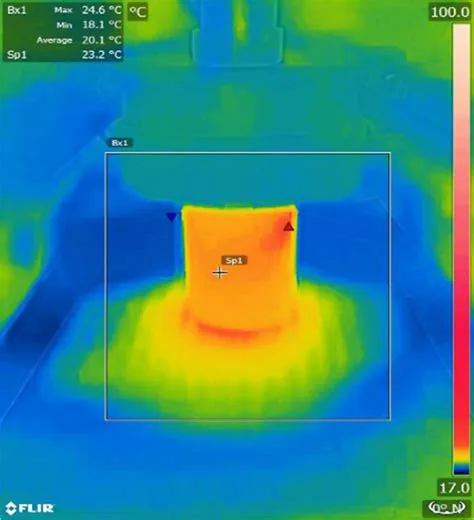
The traditional collagen coating of polystyrene labware is a complex, multistep process characterized by high costs. Recent findings indicate that nonthermal plasma processes can deposit coagulated and biologically functional protein layers in a single step. Consequently, a series of investigations compared plasma-deposited collagen against an equivalent commercial product. Chemical and microscopic analyses suggest that this plasma method retains the functional chemistry and surface morphology of traditional coatings. Furthermore, cell culture studies using two distinct cell lines confirmed that the plasma-deposited materials replicate the viability, proliferation, and activity of standard collagen surfaces while outperforming uncoated plates.