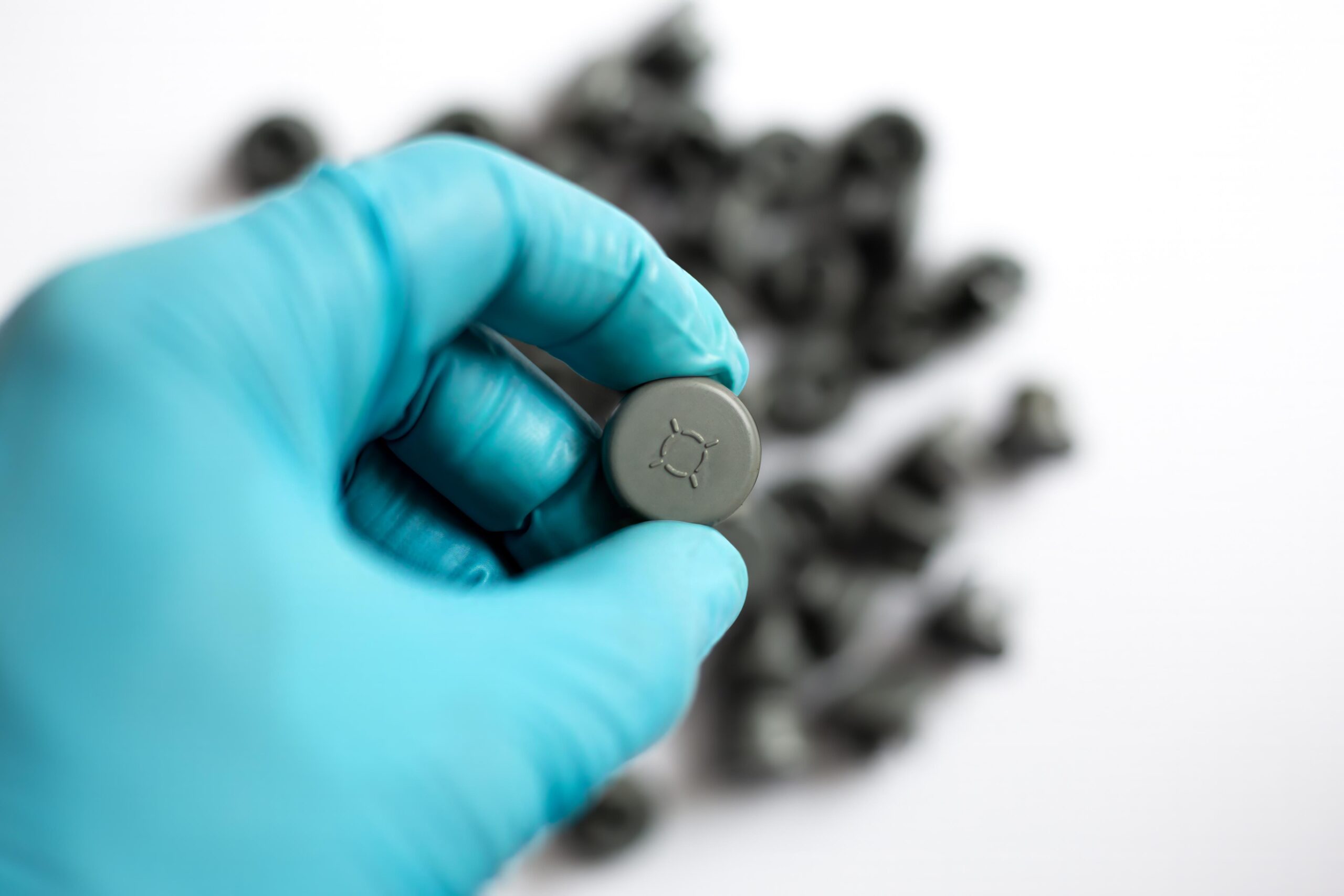

Researchers are taking a closer look at how pharmaceutical vial stoppers can be improved through advanced surface coatings. In this study, a biocompatible polymer—poly(MPC-co-BMA)—is applied using a cold plasma deposition process, offering a modern alternative to traditional coatings like silicone and fluoropolymers. These conventional materials, while widely used, can sometimes introduce challenges such as particle formation, leachables, or unwanted interactions with sensitive drug formulations.
The plasma-based method allows the coating to be applied evenly across the stopper surface, creating a thin, uniform layer without compromising the integrity of the underlying material. This is especially important in pharmaceutical applications, where consistency and material stability are critical. The researchers also found that the coating remained stable and adhered well under testing conditions.
When evaluated with a model protein formulation, the coated stoppers performed on par with existing commercial options. At the same time, the new coating showed potential advantages in reducing contamination risks and improving compatibility with biologic drugs, which are often more sensitive to their packaging environment.
Overall, the study highlights a promising direction for pharmaceutical packaging innovation. By combining biocompatible materials with advanced deposition techniques, this approach could help improve drug stability, reduce risk, and support the growing demand for higher-performance packaging solutions.